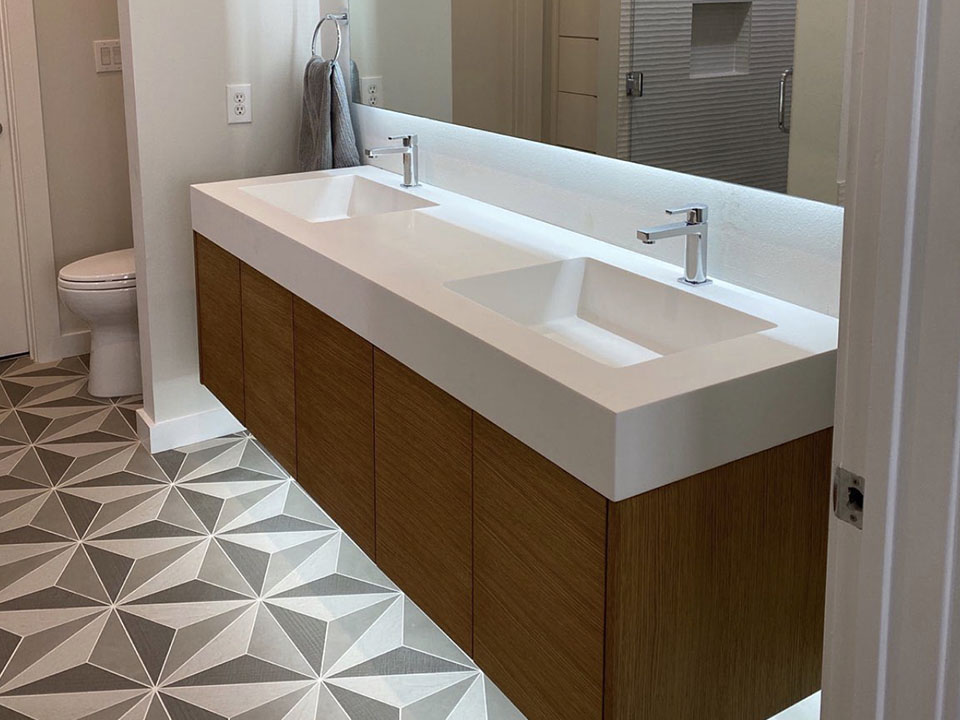
Two solid surface countertops can look nearly identical on installation day and be built very differently underneath.
That is where the SPW difference begins.
For more than 25 years, SPW Surfaces has specialized exclusively in solid surface fabrication and installation. During that time, we have developed fabrication standards designed around one simple objective: build the countertop correctly in the places you can see and especially in the places you cannot.
Many of the steps we take require additional material, additional fabrication time and additional labor. Most will never be noticed by a homeowner when the countertop is first installed.
We do them because they contribute to the strength, longevity, fit and finished appearance of the countertop.
The Difference Is in the Details
Stacked Edges
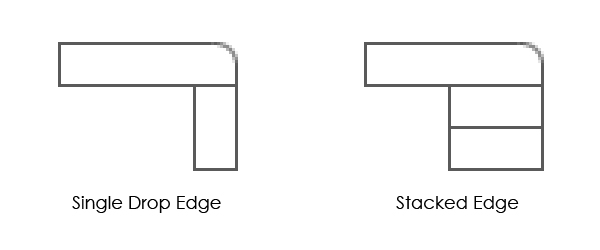
When a countertop requires a built-up edge, SPW Surfaces uses a stacked-edge construction method rather than relying on a minimal drop edge.
Additional solid surface material is laminated beneath the countertop to create the desired thickness and provide substantial bonding surface between the components.
This produces a strong, stable edge and also gives our fabricators more material to machine, shape and finish properly.
It takes more material and more fabrication time, but we believe the edge of your countertop should be constructed to perform as well as it looks.
Reinforced Seams
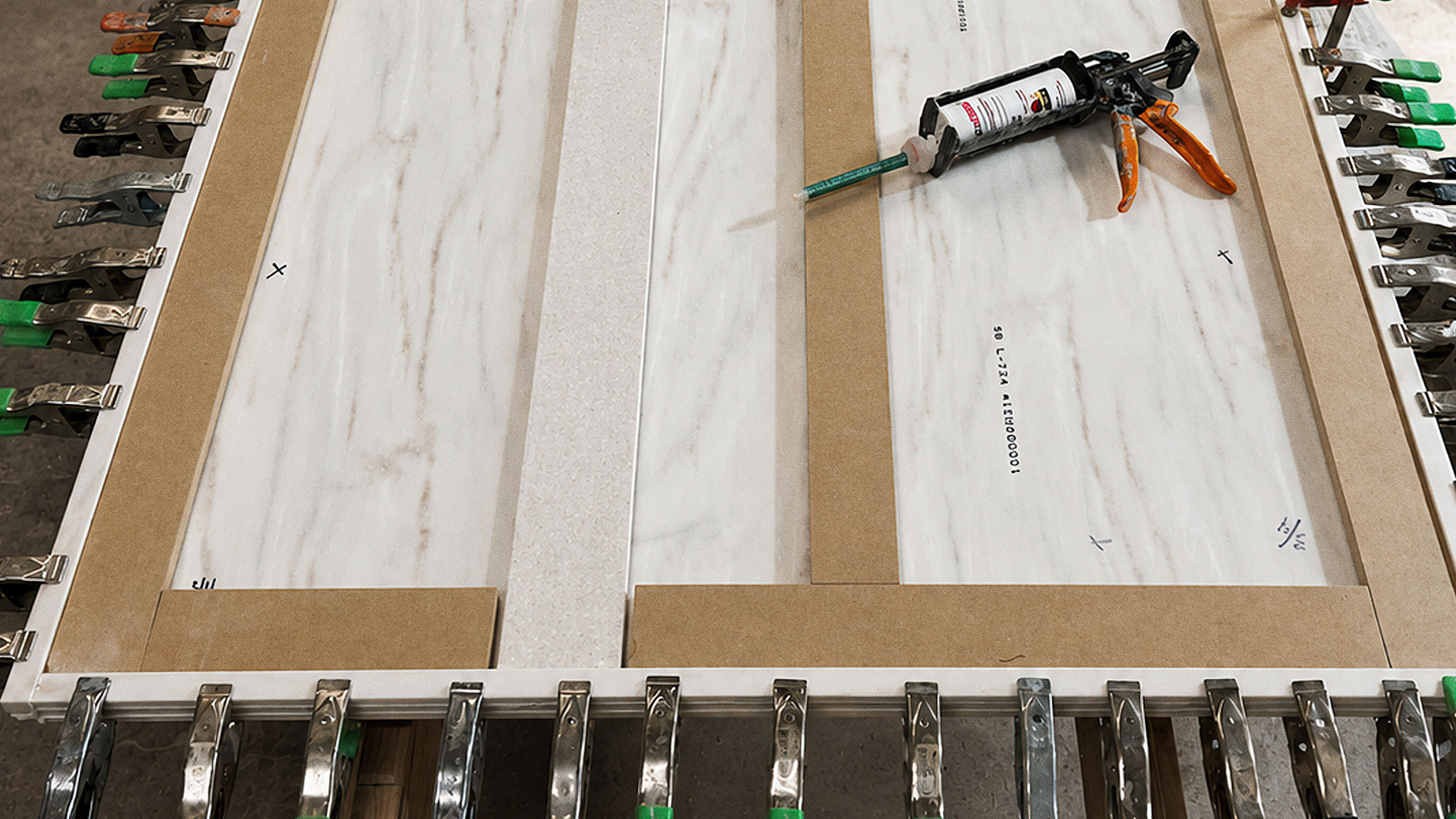
A solid surface seam is more than the inconspicuous line on the top of the countertop.
At SPW Surfaces, we reinforce appropriate countertop seams from underneath with additional solid surface material. These reinforcement strips, often called seam plates or seam straps, help distribute stress across a larger area rather than concentrating it directly at the joint.
We use reinforcement on both shop-fabricated seams and field seams where appropriate.
It is an important distinction because this work disappears beneath the countertop after installation. Leaving it out can save a fabricator material and labor, and the homeowner may never know the difference.
We would rather build the additional strength into the countertop from the beginning.
Finished Appliance Edges
Countertop edges beside ranges, refrigerators, and other appliances are easy areas to overlook because they may be partially hidden once the appliance is installed.
SPW finishes these areas intentionally.
Where the countertop construction would otherwise expose buildup, substrate, or unfinished components, we incorporate solid surface into the exposed appliance edge to create a cleaner and more protected finished condition.
That means if a refrigerator or range is moved, the countertop still looks properly fabricated.
It also helps protect vulnerable materials beneath the countertop from incidental moisture and spills.
It is a small detail, but it is exactly the kind of detail that separates a carefully fabricated countertop from one that was simply built as quickly as possible.
Proper Cooktop Preparation
Cooktop openings are one of the most critical areas in any solid surface countertop.
Heat creates expansion and contraction, and the corners of an improperly fabricated cooktop opening can become stress-concentration points. For that reason, SPW gives cooktop cutouts considerably more attention than a standard sink or appliance opening.
Our cooktop preparation incorporates several important fabrication practices.
Router-cut openings. Cooktop openings are machined with a router rather than simply being rough-cut. This produces a smooth, controlled edge without saw marks, chips or irregularities that could create potential stress points.
Radiused inside corners. Sharp inside corners concentrate stress. SPW machines the corners of cooktop openings with an appropriate radius to reduce that concentration and allow stresses to distribute more gradually through the material.
Corner reinforcement. Where required by the material, application and manufacturer fabrication guidelines, additional solid surface reinforcement is incorporated beneath critical areas of the cooktop opening.
Heat-reflective protection. Appropriate heat-reflective tape or other manufacturer-specified thermal protection is installed around the cooktop cutout to reduce heat transfer into the surrounding solid surface.
Cooktop fabrication is not the place to take shortcuts. We treat it as one of the most technically important details in the entire countertop.
Finished Returns
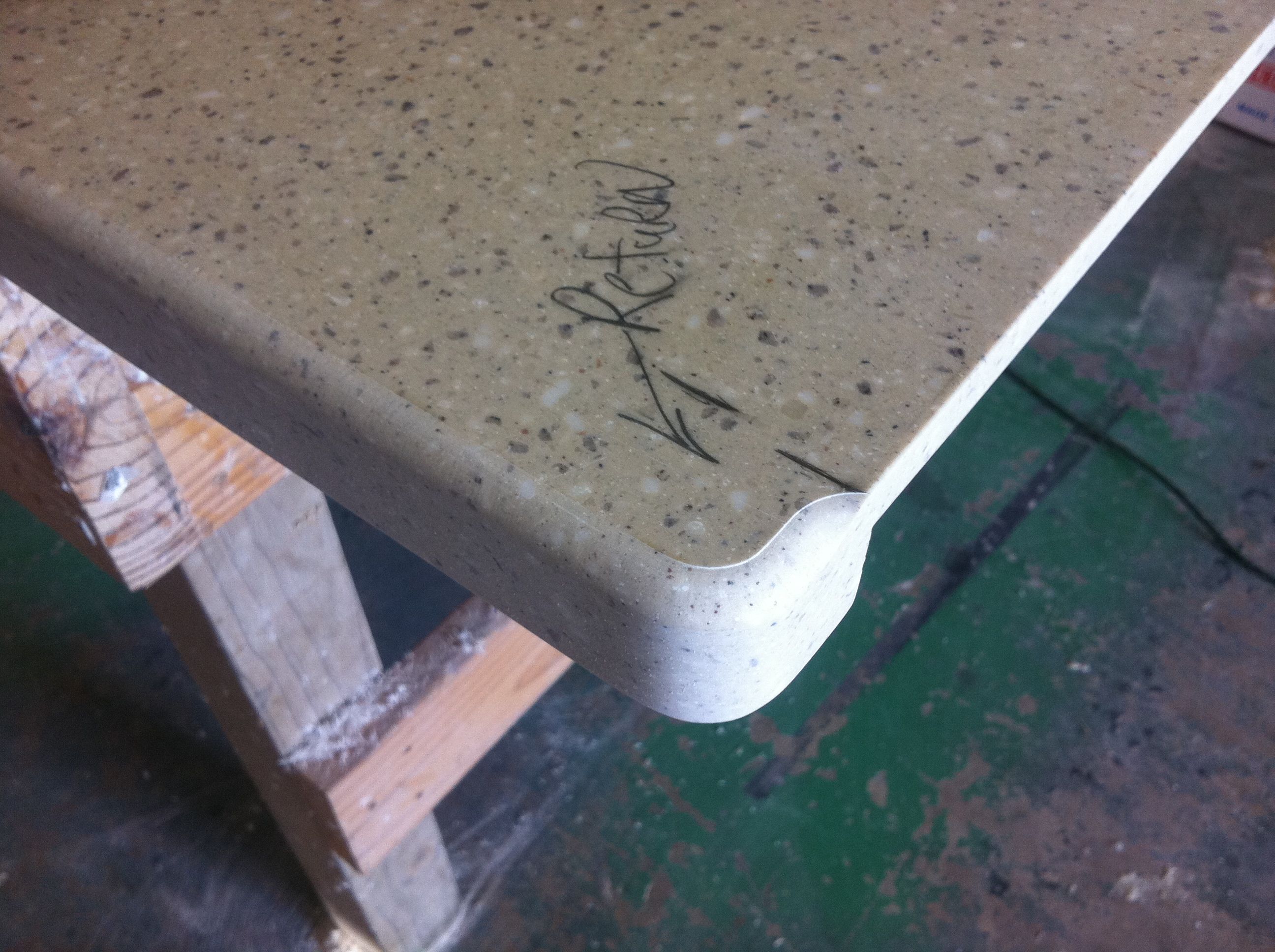
A countertop edge does not simply end when it approaches a wall, cabinet or change in elevation.
SPW finishes its edge returns.
A return is the short section where a built-up or profiled countertop edge transitions back toward the wall or cabinet. Instead of leaving that transition looking like a squared-off block of material, we continue the edge treatment so the countertop looks intentional from every viewing angle.
It may only involve an inch or two of countertop, but that small transition has an outsized effect on the finished appearance of the project.
Good fabrication is often defined by how these transitions are handled.
Properly Radiused Inside Corners
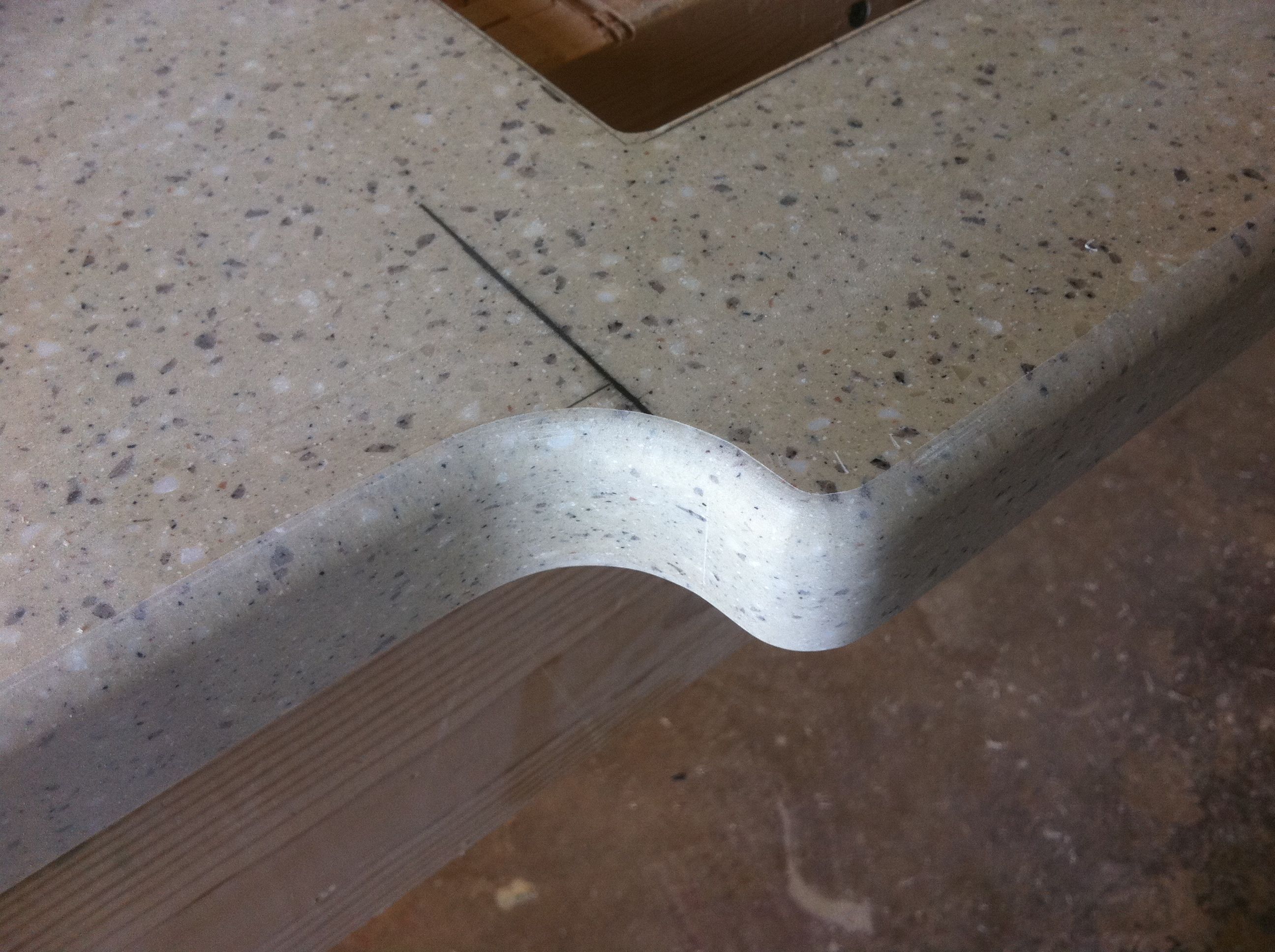
Inside corners are another area where engineering and appearance come together.
SPW typically incorporates generous inside corner radiuses rather than creating unnecessarily sharp intersections.
Radiused corners help distribute stress through the countertop and provide a cleaner transition for built-up and profiled edges. They also create the softer, more intentional appearance associated with professionally fabricated solid surface.
Where project conditions and manufacturer requirements allow, SPW commonly uses approximately a 3/4-inch inside radius.
The exact detail may seem insignificant on a drawing. Once the countertop is installed, it contributes substantially to how refined the entire project feels.
Seam Placement Matters
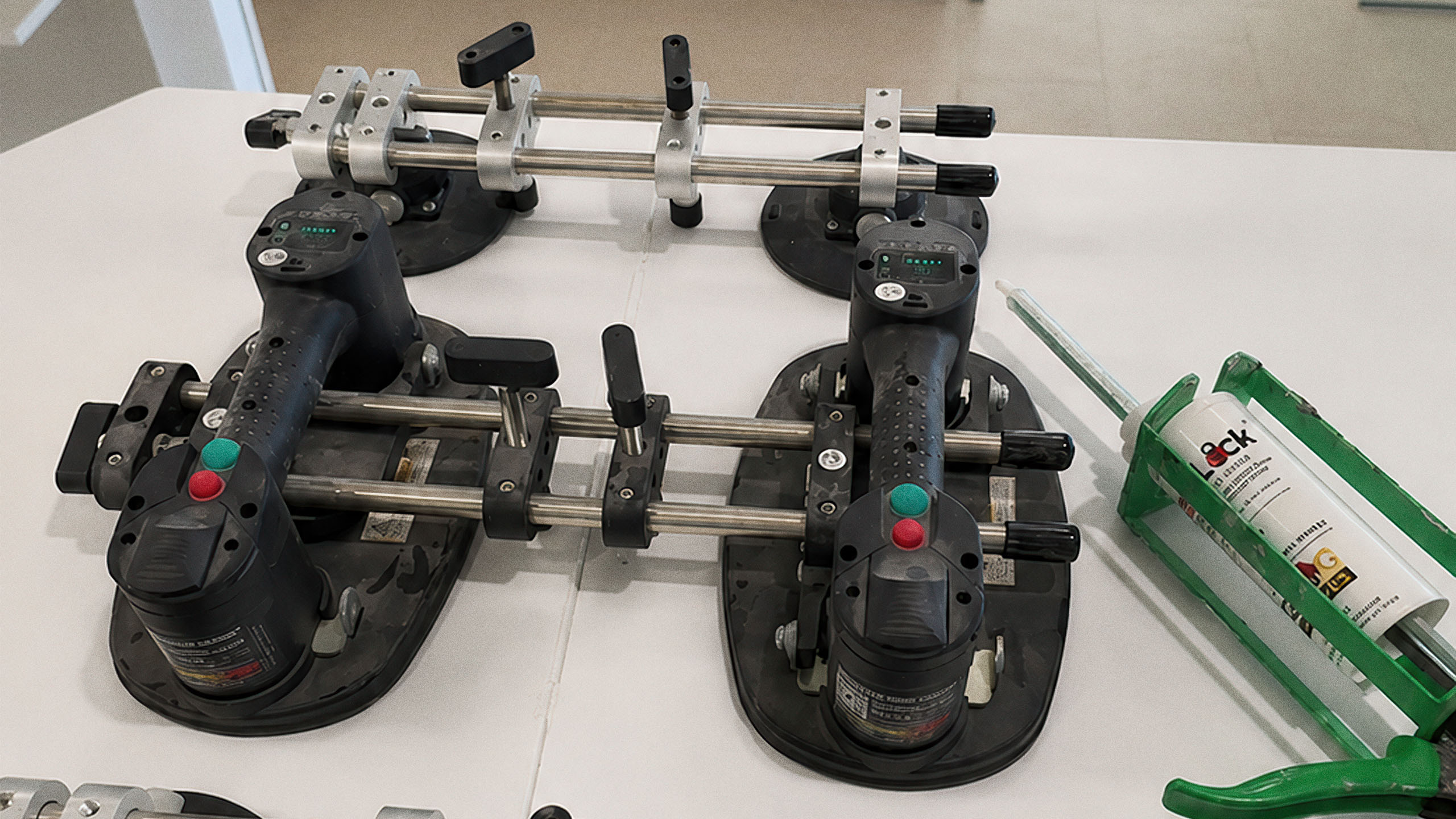
A strong seam starts before adhesive is ever applied.
Our fabricators consider seam location during templating and fabrication so that seams can be positioned intelligently whenever project conditions allow. We evaluate countertop geometry, installation access, appliance locations, inside corners, material movement, sheet dimensions, elevators and the ability to properly reinforce and finish the joint.
The easiest location for a seam is not always the best location.
That is why seam planning is part of our fabrication process rather than simply a decision made on installation day.
Proper Adhesives and Fabrication Procedures
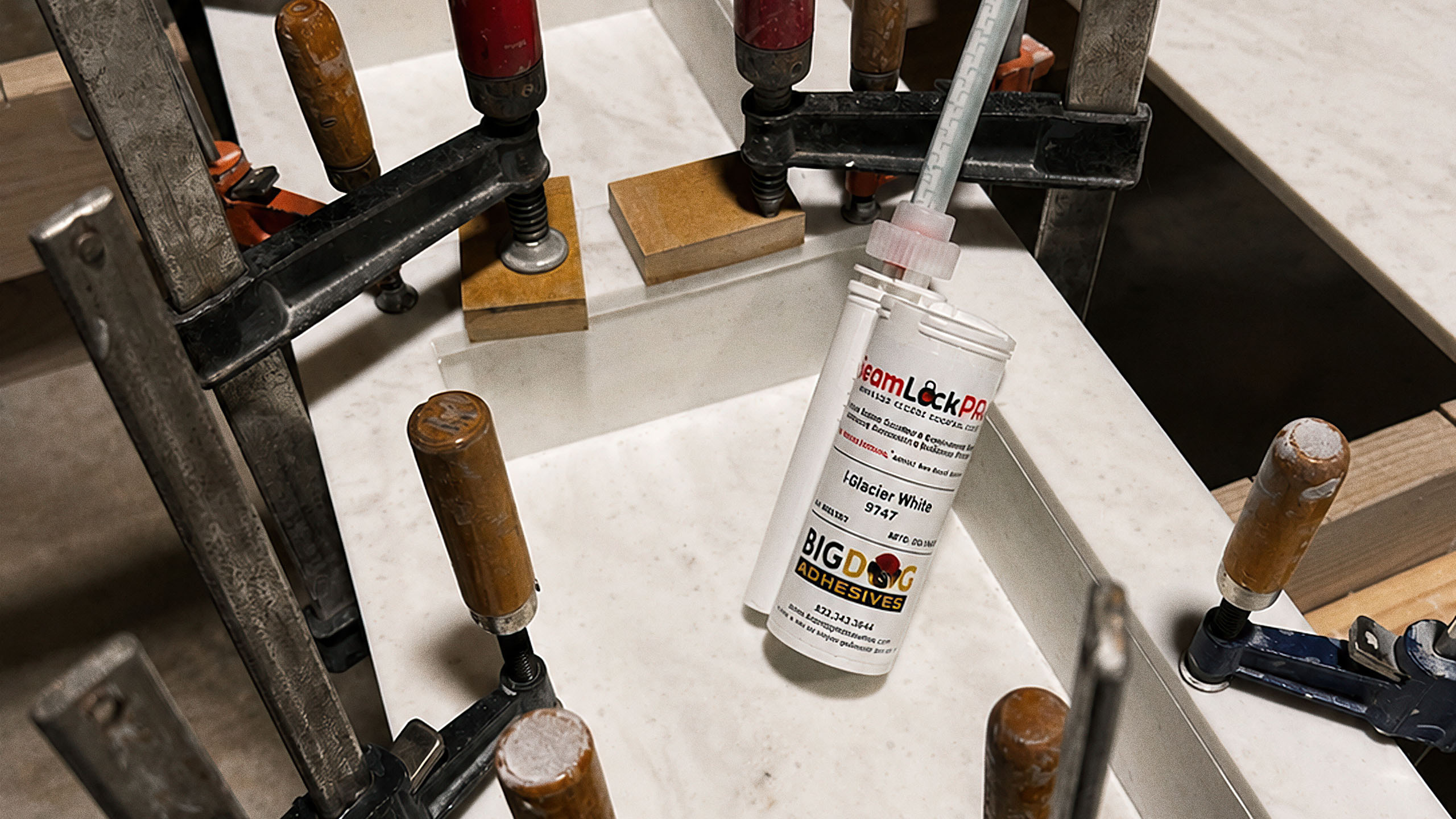
Solid surface is designed to be chemically bonded using adhesives specifically formulated for the material.
SPW uses appropriate solid surface adhesives, proper joint preparation, controlled machining, reinforcement techniques and finishing procedures based on the material being fabricated and the manufacturer’s requirements.
Corian®, HI-MACS®, Staron®, Wilsonart® Solid Surface, LivingStone®, Durasein®, Meganite® and other solid surface products are similar in many respects, but they are not identical.
Experience matters.
Our processes are built around understanding how these materials should be fabricated rather than treating every sheet material as though it behaves the same way.
The Finish Matters, Too
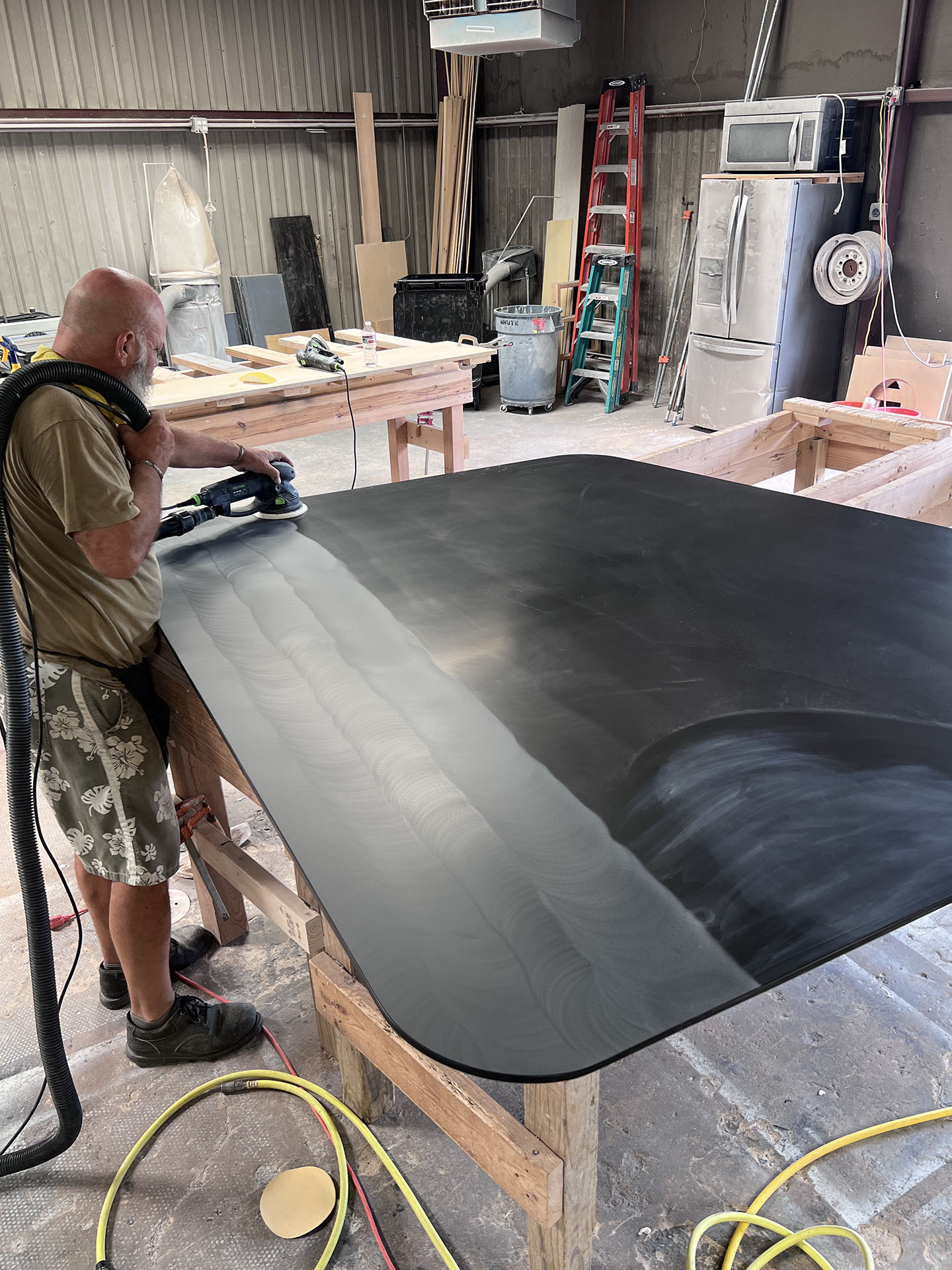
Fabrication does not end when the countertop has been assembled.
Solid surface receives its final appearance through sanding and finishing. Poor sanding can leave swirl marks, inconsistent sheen, visible seam areas and an uneven appearance across the countertop.
SPW uses a controlled finishing process designed to create a consistent surface from one section of the countertop to another.
Corners, seams, edges, backsplashes, transitions and field-finished areas are all addressed as part of the finished product, not as separate pieces of work.
We Build for What Happens After Installation Day
Almost any countertop can look good in photographs immediately after it is installed.
The real test happens afterward.
Cabinets move slightly. Buildings expand and contract. Appliances generate heat. Families spill things. Countertops get scratched. Homes settle. Years pass.
Our fabrication standards are designed with those realities in mind.
We reinforce areas that deserve reinforcement. We finish areas other fabricators may leave hidden. We pay attention to stress points, heat, seam placement, edge construction, and installation conditions because those details affect how a countertop performs over time.
20 Years Focused on One Material Category
SPW Surfaces does not fabricate natural stone.
We do not fabricate quartz or porcelain.
We specialize in solid surface only. One material, fabricated with excellence.
For more than 20 years, we have templated, fabricated, installed, repaired, refinished and worked through virtually every type of solid surface application imaginable.
That experience has allowed us to continually refine our systems and establish fabrication standards based not simply on how quickly a countertop can be produced, but on what produces the best long-term result.
There will always be someone willing to build a countertop cheaper.
Our objective is different.
We want to build it better.
That is the SPW difference.